Speakers
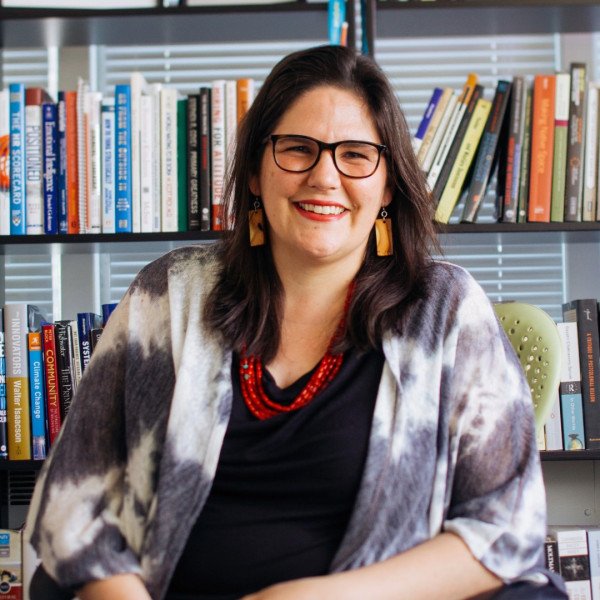
SAROJINI NADAR
Virtual Keynote Lecture
Sarojini Nadar is an outstanding keynote speaker because her work brings together feminist theology, decolonial biblical interpretation, and political critique, forged in the context of post-apartheid South Africa. Her scholarship interrogates how scripture, religion, and institutional power can be mobilized both to legitimate violence and oppression and to sustain practices of resistance and liberation. Nadar's long engagement with questions of gendered violence, nationalism, and religious authority equips audiences to think critically about how sacred texts are weaponized in colonial and settler-colonial contexts, including Palestine. Crucially, she models a mode of theological analysis that is intersectional, historically grounded, and ethically uncompromising, refusing both liberal abstraction and apologetic readings of power. As a keynote, Nadar offers a globally resonant framework for understanding religion's role in systems of domination and survival, while foregrounding voices and methods rooted in the Global South---precisely aligning with the conference's decolonial and justice-oriented aims.
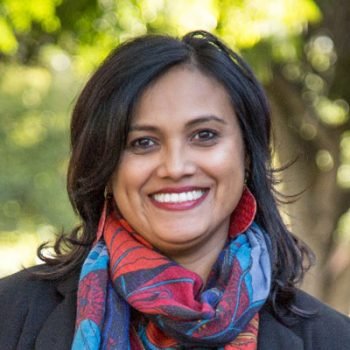
JOHN MUNAYER
Keynote Address and Moderated Conversation
John Munayer's work sits at the intersection of Palestinian lived experience, theology, and decolonial critique. As a Palestinian Christian theologian, Munayer offers an insider perspective on occupation, dispossession, and daily life under settler colonial conditions, while also engaging critically with the global theological narratives---especially Christian Zionism---that shape international political and religious support for Israeli state policies. His scholarship and public teaching challenge dominant biblical interpretations that legitimize violence, offering instead a justice-oriented, contextually grounded theological vision rooted in Palestinian history and ethics. Munayer is particularly effective in academic and interfaith settings, where he bridges theology, politics, and human rights without reducing Palestine to abstraction or ideology. As a keynote, he grounds the conference in Palestinian voices and experiences, ensuring the conversation remains accountable tothose most directly affected while advancing rigorous, globally relevant analysis.

SAMUEL MUNAYER
Keynote Address and Moderated Conversation
Samuel Munayer's work articulates a Palestinian Christian theology rooted in justice, nonviolence, and decolonial critique, developed from within the lived realities of occupation. Drawing on biblical scholarship, pastoral practice, and peace theology, Munayer challenges theological frameworks---particularly Christian Zionist interpretations---that sacralize land, power, and exclusion. His approach is distinctive in its insistence that theology must be accountable to suffering communities and oriented toward ethical transformation rather than abstraction or political neutrality. Munayer also speaks powerfully to global Christian audiences, helping participants understand how religious language, scripture, and institutions are mobilized in the legitimation of colonial violence. As a speaker, he grounds academic discussion in Palestinian Christian experience while offering constructive theological resources for solidarity, resistance, and moral responsibility, aligning closely with the conference's interdisciplinary focus on religion, colonialism, and ethical witness.
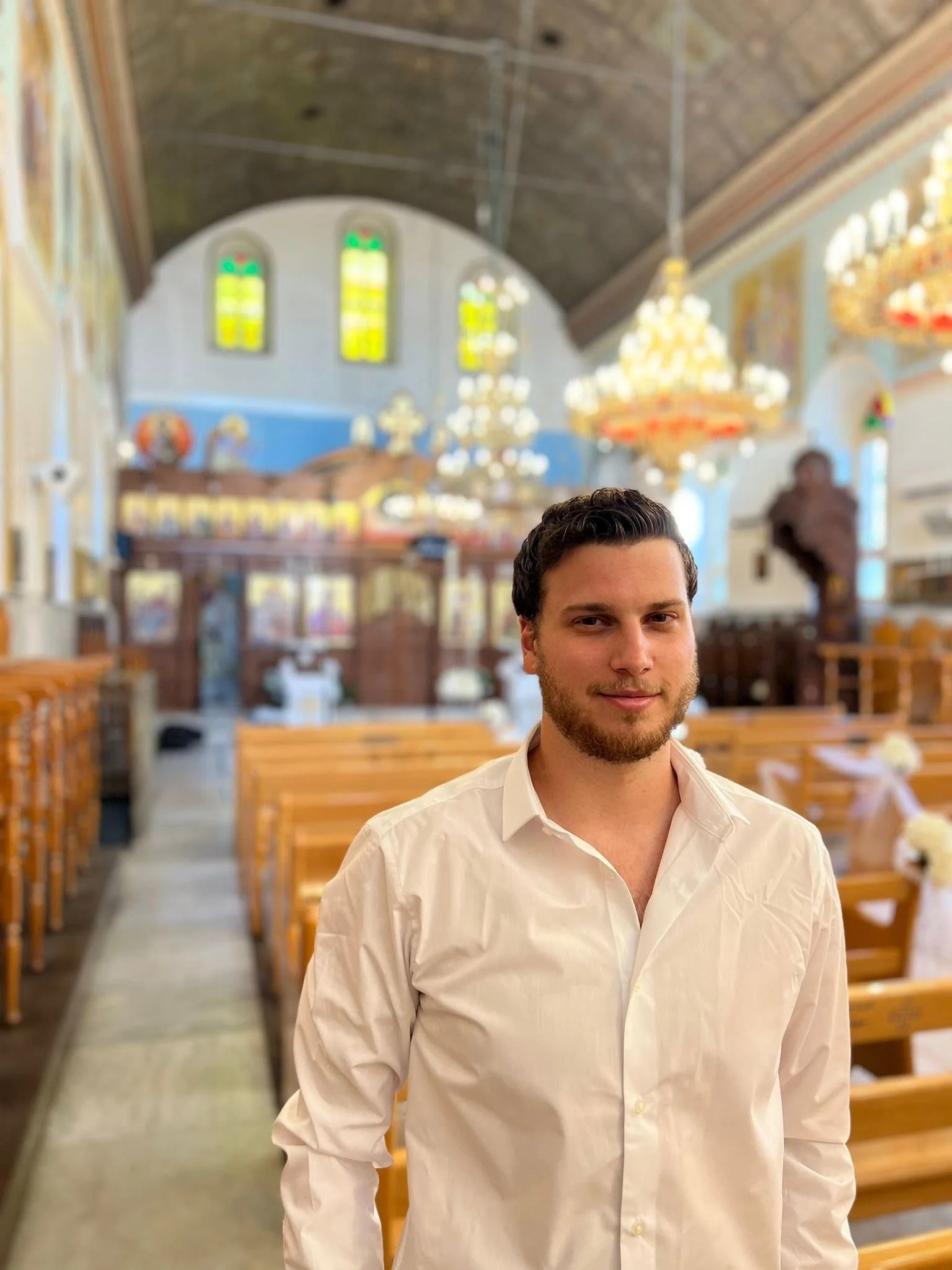
CARMEN LANSDOWNE
Opening Keynote Address
Carmen Lansdowne's participation as keynote speaker is central to the intellectual and ethical aims of the conference. As an Indigenous scholar and public leader, she brings a deeply grounded analysis of settler colonialism, land dispossession, and structural violence that enables rigorous comparative reflection on Palestine without collapsing historical specificity. Her work foregrounds relational accountability, ethical witnessing, and Indigenous political thought, offering a framework that moves beyond policy debate toward questions of responsibility, solidarity, and power. Lansdowne's scholarship and public interventions are particularly valuable in academic contexts where Palestine is often constrained by institutional norms of "balance" or depoliticized reconciliation discourse. As a keynote, she sets the tone for the conference by reframing Palestine within global struggles against colonial domination, while modeling an intellectually serious, ethically careful, and decolonial approach that aligns closely with the conference's interdisciplinary and justice-oriented objectives.