
Palestine, Settler Colonialism, and an Ecumenical Call to ActionMay 14–16, 2026Sponsored by: Palestine Conference Planning CommitteeVenue: Canadian Mennonite University Campus
Winnipeg, Manitoba (Treaty One Territory)We warmly invite you to join us for a three-day gathering of reflection, dialogue, and action in response to the ongoing genocide in Palestine and the role of Western churches and global faith communities.Building on last year’s landmark conference at St. Paul’s University, this gathering brings together Palestinian Christian leaders, scholars, clergy, and community activists to deepen conversations about faith, justice, and solidarity.Meeting on Treaty One Territory — the traditional lands of the Anishinaabe, Cree, and Dakota peoples, and the homeland of the Métis Nation — the conference will also examine the parallel realities of settler colonialism in Palestine and Canada. Together, we will explore how these histories intersect, how churches have been implicated, and how justice-oriented alliances can respond faithfully and courageously.The conference centers Palestinian Christian voices and engages the newly released Kairos Palestine II: A Moment of Truth – Faith in a Time of Genocide (2025), which renews the global Christian call to truth, justice, and solidarity.While this conference is rooted in Palestinian Christian theology and the Kairos Palestine document, it welcomes people of all faiths and backgrounds who support justice in Palestine. Interfaith conversation and solidarity across communities are vital to our shared commitment to dignity, truth, and liberation for all Palestinians.Meet Our Speakers
-
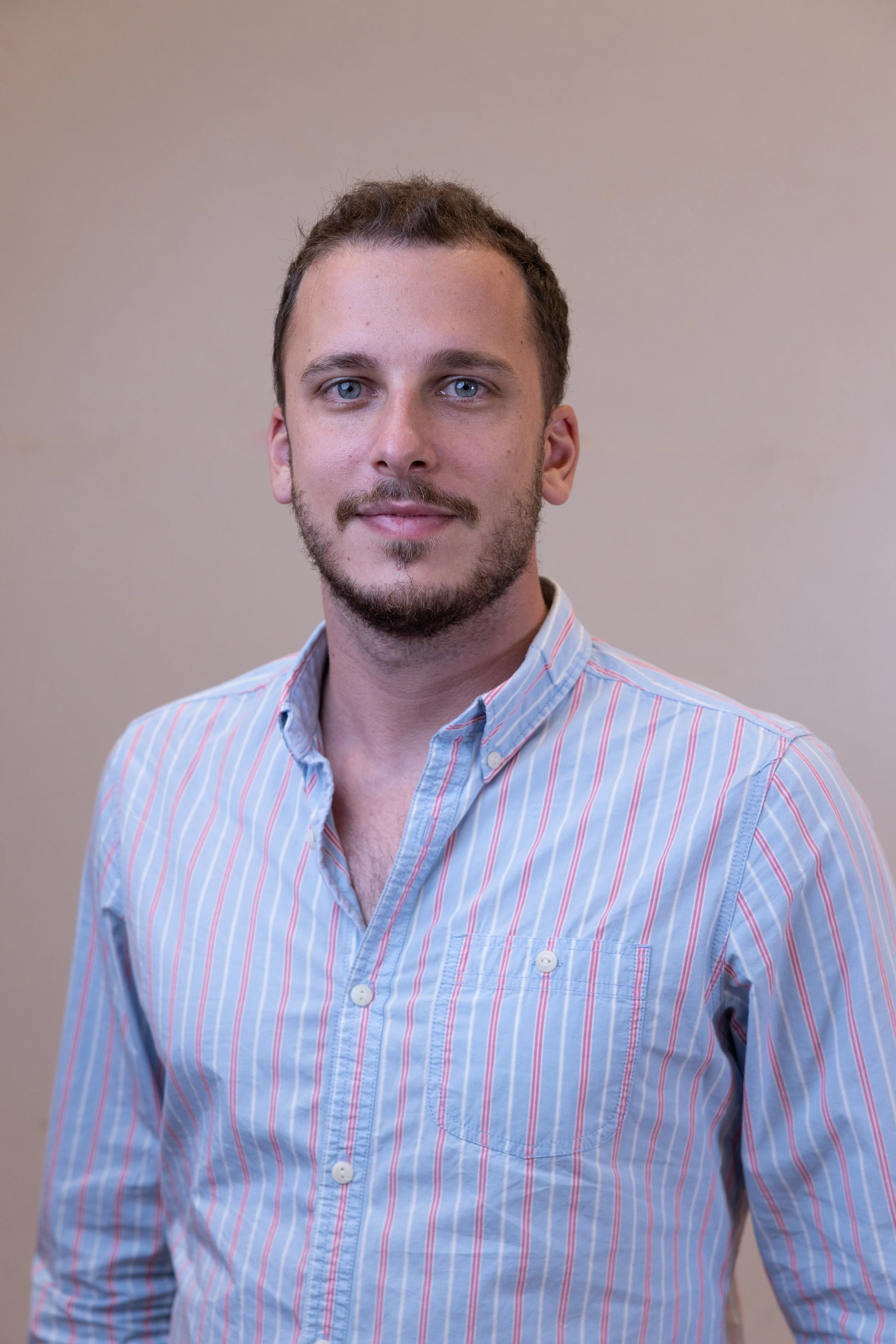
JOHN MUNAYER
Keynote Address and Moderated Conversation
-
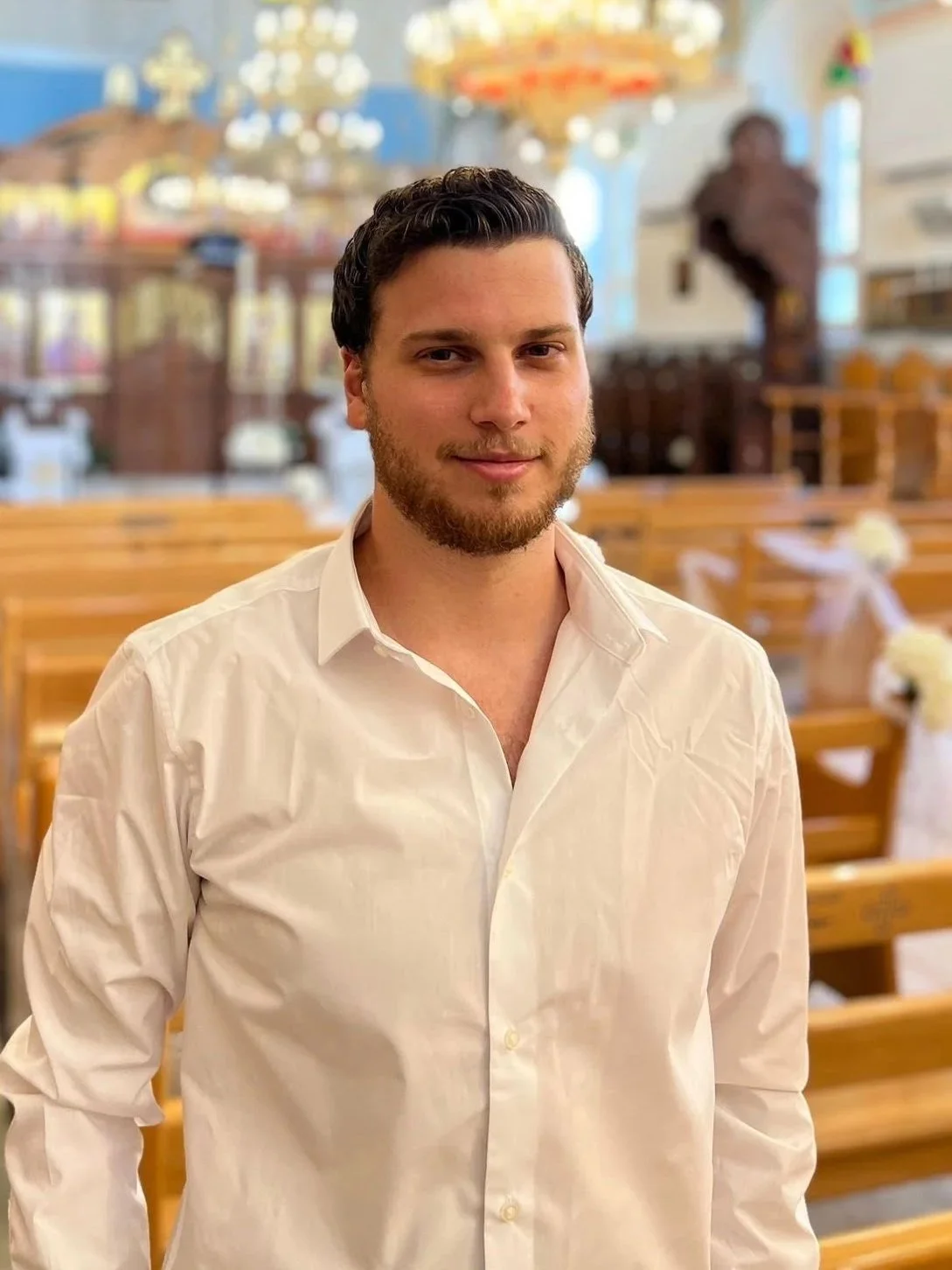
SAMUEL MUNAYER
Keynote Address and Moderated Conversation
-
SAROJINI NADAR
Virtual Keynote Lecture
-
CARMEN LANSDOWNE
Opening Keynote Address

Palestinian Christian Voices for Justice
Munayer Brothers
John Munayer (L), Samuel Munayer (R)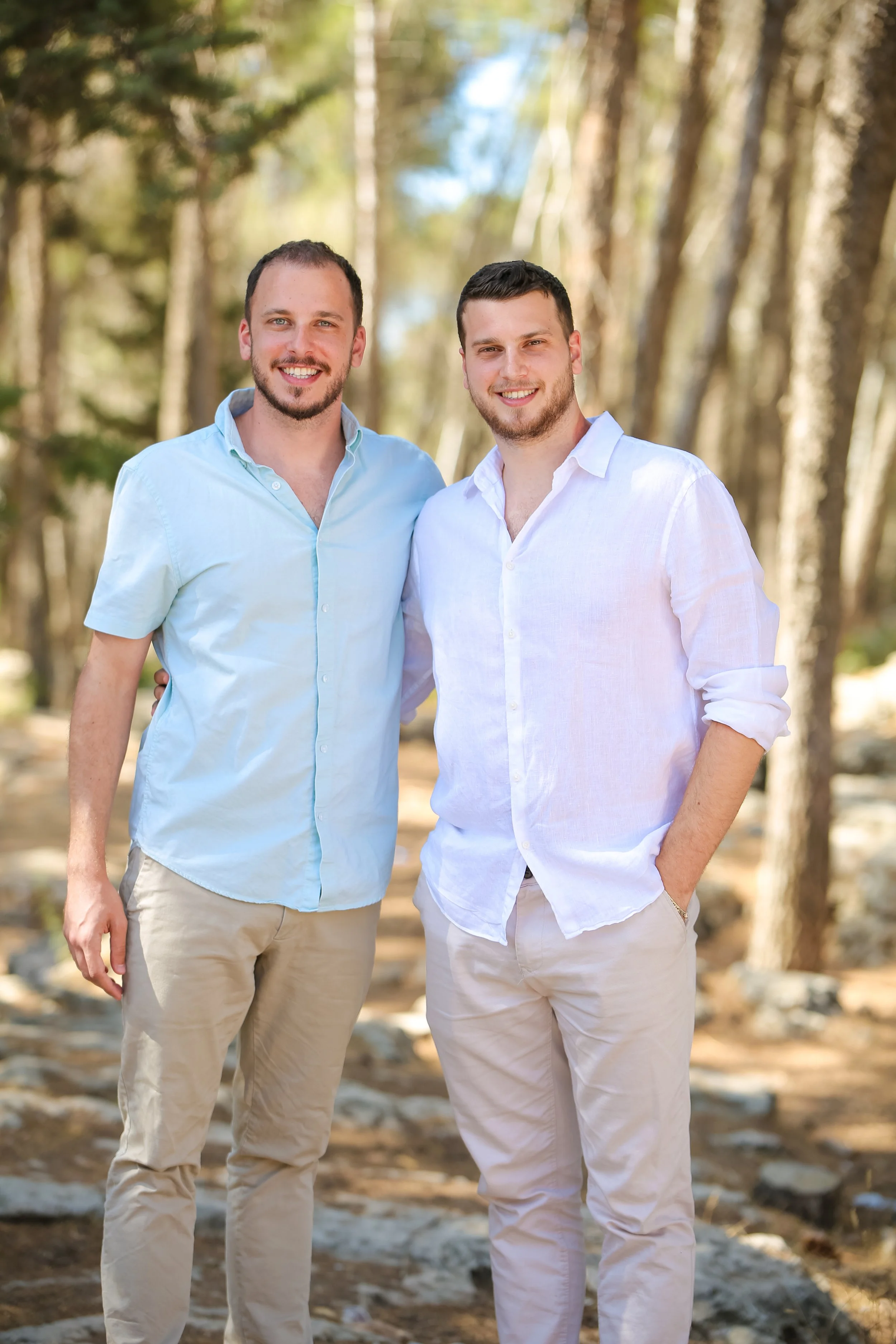
John & Samuel Munayer, are Palestinian Christian theologians whose work emerges from the lived realities of occupation, displacement, and ecclesial responsibility. Rooted in the historic presence of Palestinian Christianity, their scholarship and public engagement confront theological narratives that sacralize land, power, and exclusion. Drawing from biblical interpretation, political theology, and lived experience in Jerusalem, they challenge global churches to examine how faith is mobilized in contexts of settler colonialism and to reclaim a theology accountable to justice, dignity, and truth.
“It’s strange to tell Christians abroad that there are Christians in the Holy Land — this is where it started. We see ourselves as the continuation of the early church. When someone asked my brother when he converted to Christianity, assuming he converted from Islam, he answered: ‘Two thousand years ago.’
We are still there. We are the living continuation of Pentecost. In many ways, we see ourselves as the fifth Gospel — a living witness that makes the Bible real in the land where it was first proclaimed.”
— John Munayer
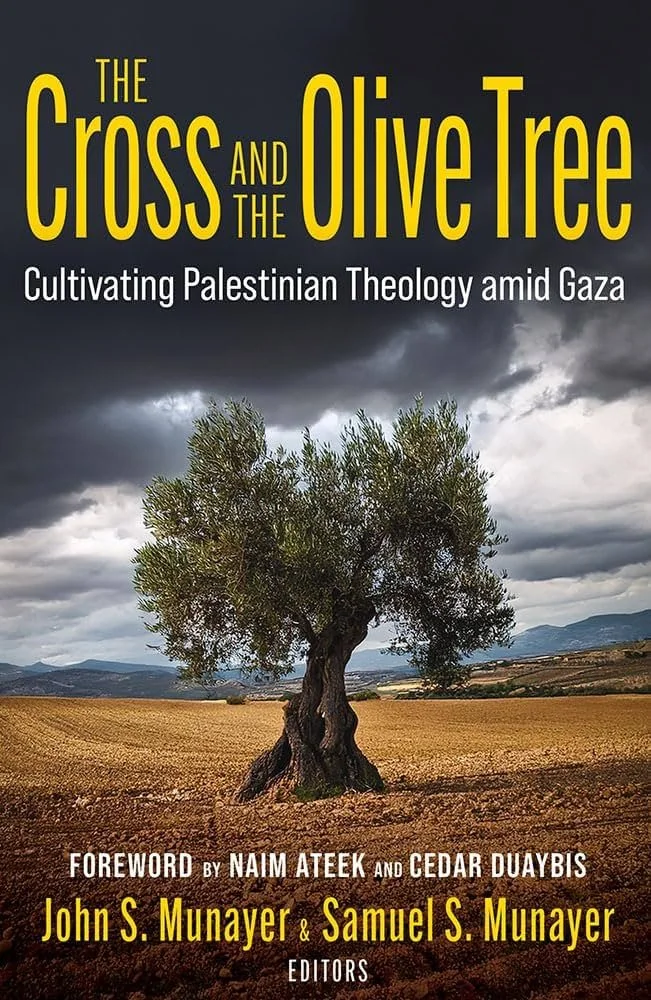
In The Cross and the Olive Tree, the Munayers explore what it means to be Palestinian, Christian, and rooted in a land marked by conflict. Blending theology, history, and personal testimony, they challenge biblical interpretations used to justify dispossession and instead offer a faith grounded in justice, nonviolence, and hope. The cross and the olive tree together symbolize suffering and steadfastness — a theology that refuses both despair and domination.

Palestinian Theology of Martyrdom
Faith, Martyrdom, and the Collapse of Moral Order
In the wake of genocide and accelerating displacement, Palestinian theology is confronting realities that exceed earlier frameworks. A new generation of theologians is grappling with how faith speaks amid systematic destruction, collective suffering, and the collapse of moral restraint.
Within this emerging reflection, martyrdom is not a symbolic category but a lived and daily reality. To ignore it is to deny the cost of discipleship in Palestine. This presentation explores how martyrdom functions as witness — a testimony born in catastrophe — and how it calls the Church to confront suffering, responsibility, and hope in a time of devastation.
“Writing from Bethlehem with close-up knowledge of conditions on the ground, and rooted in a commitment to nonviolence and just peace, Isaac urges readers to recognize that support for Zionism’s genocidal project entails a failure to bring a properly Christian theological criticism to bear upon colonialism, racism, and empire. He calls on Christians to repent of their complicity in the destruction of the Palestinian people. He calls on Christians to repent of their complicity in the destruction of the Palestinian people. And he challenges them to realign their beliefs and actions with Christ—who can be found not among perpetrators of violence, but with victims buried under the rubble of war.”